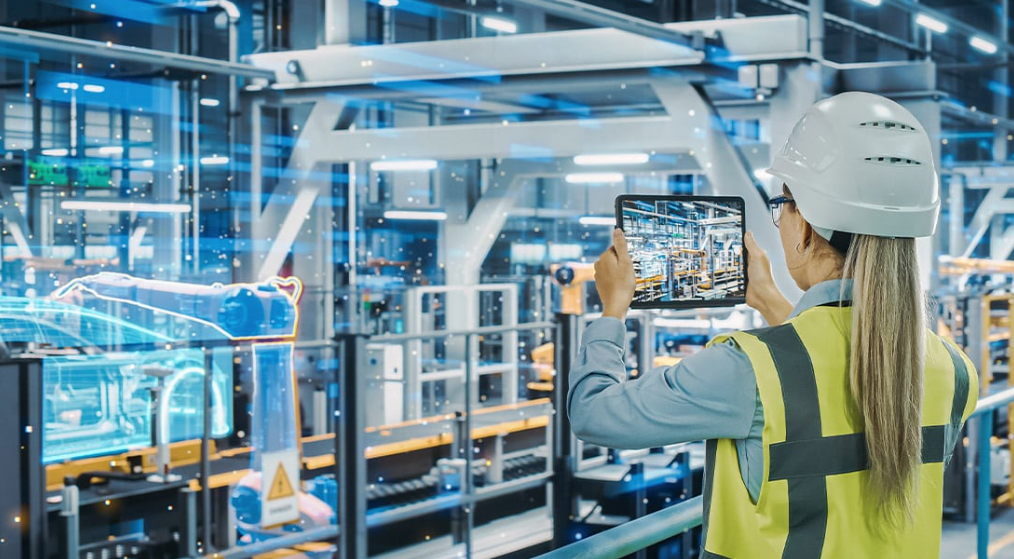
Smart technology enables real-time visibility and data-driven decisions across manufacturing. Sensors, analytics, and digital twins provide end-to-end traceability and faster issue resolution. Predictive maintenance reduces unplanned downtime and extends asset life, while automated workflows standardize safety and response times. Modular automation builds resilient operations, and integrated dashboards align quality, throughput, and strategic goals. The result is measurable performance gains, yet the path to scalable autonomy invites closer scrutiny of data quality, interoperability, and change management.
How Smart Tech Boosts Manufacturing Productivity
Smart technology enhances manufacturing productivity by enabling real-time visibility, predictive maintenance, and automated processes that reduce downtime and cycle times.
The analysis shows consistent gains from integrated data streams and performance dashboards, fostering data driven cultures.
Decision making becomes more agile, with cross-functional insights guiding throughput improvements, inventory optimization, and quality control, while maintaining strategic autonomy and scalable operational resilience.
See also: The Benefits of Smart Technology in Digital Transformation
Reducing Downtime With Predictive Maintenance
Predictive maintenance reduces downtime by translating sensor data into actionable maintenance actions before failures occur. By leveraging predictive maintenance scheduling, plants transform intermittent alerts into scheduled interventions, minimizing unplanned outages and extending equipment life. Data-driven insights emerge from sensor data fusion, enabling proactive resource allocation, strategic planning, and reduced maintenance sprawl while sustaining throughput and operational freedom across complex manufacturing ecosystems.
Improving Quality and Traceability Through Digital Twins
Digital twins enable continuous quality surveillance and end-to-end traceability by simulating production processes with real-time data. Operational insight arises from integrated analytics that link process variables to product outcomes, enabling rapid fault detection and root-cause analysis.
Digital twins support proactive quality control, reducing variance and enabling traceable documentation across batches while aligning manufacturing strategy with measurable performance goals.
Designing Safer, More Resilient Operations With Automation
Automation technologies extend the gains from digitalized quality and traceability into safer, more resilient operations by systematically reducing human error, enabling rapid response to anomalies, and sustaining operations under variable conditions.
The analysis evaluates how designing safer, automated workflows lowers incident rates, improves predictive maintenance, and supports resilient operations through modular automation, real-time dashboards, and standardized safety protocols, aligning risk management with strategic flexibility.
Frequently Asked Questions
How Does Smart Tech Impact Employee Training Requirements?
Smart tech reshapes employee training requirements by expanding training pathways, enabling rapid capability development, and improving skill translation; organizations must integrate change management, data-driven assessments, and flexible curricula to sustain freedom-minded, scalable workforce adaptability.
What Is the Total Cost of Ownership for Industrial Iot Systems?
Like Prometheus weighing costs, the total cost of ownership for industrial IoT systems averages across acquisition, integration, maintenance, and security upgrades, with supplier integration and ongoing resilience shaping a measurable, data-driven, strategic financial outcome for enterprises seeking freedom.
Can Smart Manufacturing Reduce Energy Consumption Beyond Downtime Savings?
Smart manufacturing can reduce energy consumption beyond downtime savings via energy optimization and dynamic scheduling, enabling continuous efficiency gains; data-driven strategies reveal potential reductions through adaptive load management, equipment sequencing, and real-time analytics aligned with flexible, freedom-oriented operations.
How Is Data Privacy Managed in Connected Manufacturing Environments?
Like shadows at a crossroads, data privacy is safeguarded through governance, encryption, access controls, and continuous monitoring in connected environments; the approach is analytical, data-driven, and strategic, balancing security with freedom, scalability, and transparent accountability.
What Are the Skill Gaps for Implementing Advanced Automation?
The analysis identifies skill gaps hindering implementation of advanced automation, and highlights implementation challenges such as change management, system integration, and data literacy. Stakeholders assess training ROI, vendor capabilities, and ongoing upskilling required to sustain strategic, data-driven operations.
Conclusion
In a quiet coincidence, the data converge: uptime rises as maintenance cycles shrink, while defect rates fall alongside inventory variability. The analytics reveal a consistent pattern—digital twins and modular automation align safety, quality, and throughput, not as separate frictions but as integrated levers. The result is a scalable, autonomous operation where dashboards translate insight into action, and every KPI threads into strategic objectives. Smart manufacturing is not future work; it is convergent performance in real time.
